In the steep, green hills of Kapchorwa, rain is no longer just a blessing—it has become a threat.
For Patrick Nabugodi, a father of ten from Suguta Village, the November 2024 landslide changed everything.
“It rained at night, and the house was swept away. We narrowly escaped,” he recalls. Left homeless, his family spent three months in a nearby school before being forced to leave when the term resumed. With no government support, Nabugodi took a loan to buy land and rebuild.
Across Suguta, Kafupa, and Kikuyu villages, fear now accompanies every rainfall. Deep cracks cut through homes and farmland, and many residents only return during the dry season.
“We come back when it’s dry as we search for a lasting solution,” says Stephen Zebunu.
The community lives in a paradox—dependent on rain for farming, yet terrified of its consequences.
“When it rains, roads become impassable, gardens are destroyed, and landslides occur,” says Kafupa chairperson Rogers Nagoli.
Residents say they feel abandoned. Despite past assessments and promises of relocation, little has been done.
“It is five years since the landslide devastated this place. Authorities marked households and issued coupons for relocation—but no tangible response,” residents say.
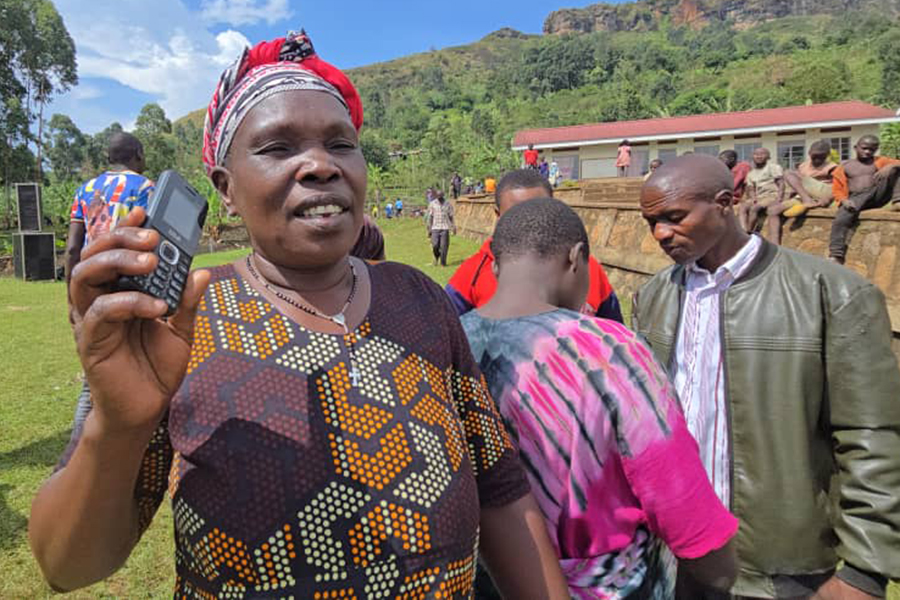
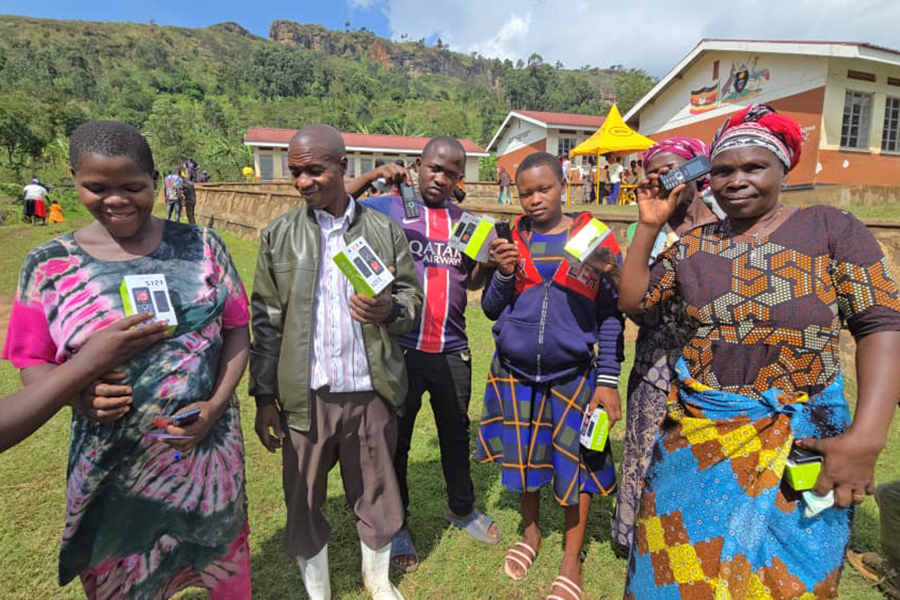
A new initiative by Eight World is now providing support through unconditional cash transfers to vulnerable households in Gamogo and Kasindai sub-counties.
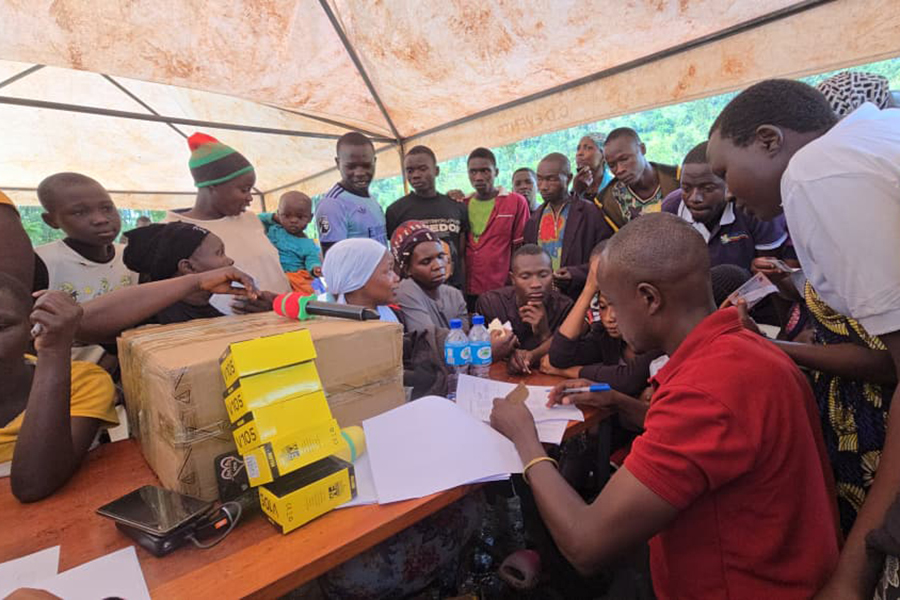
The program targets at least 300 beneficiaries. Adults receive Shs65,000 monthly, while children receive Shs32,500 for two years. Funds are sent via mobile phones provided by the organization.
“We hope this support helps families improve livelihoods and adopt climate-resilient practices,” says Prima Birungi, Country Coordinator of Eight World. Unlike traditional aid, families choose how to use the money—whether for food, farming, or relocation.
“We shall invest in seeds, plant trees, and improve drainage,” says Nagoli.
For residents like Tabitha Gimono, who has lived in the area for 29 years, the danger remains close, with her home standing near visible fault lines.
“I want to leave, but I don’t have the resources,” she says.
Nearby Chebelat Primary School is also at risk, with cracked walls and damaged roads further isolating the community.
In a place where the ground can shift without warning, even small support is making a difference.